Best Place to Celebrate New Year’s Eve in Istanbul 2020
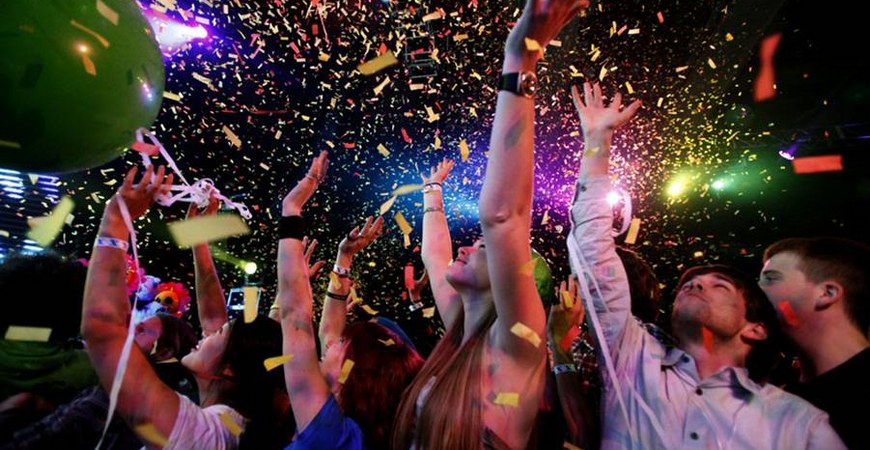
Istanbul is one of the most favored cities of people who ask what to do on new year’s eve near me in Turkey. The number of entertainment centers and enjoyable activities in Istanbul is quite high. In this area, which has a high rate of urbanization, there are many new year entertainment organizations addressing different interests, different beliefs and […]
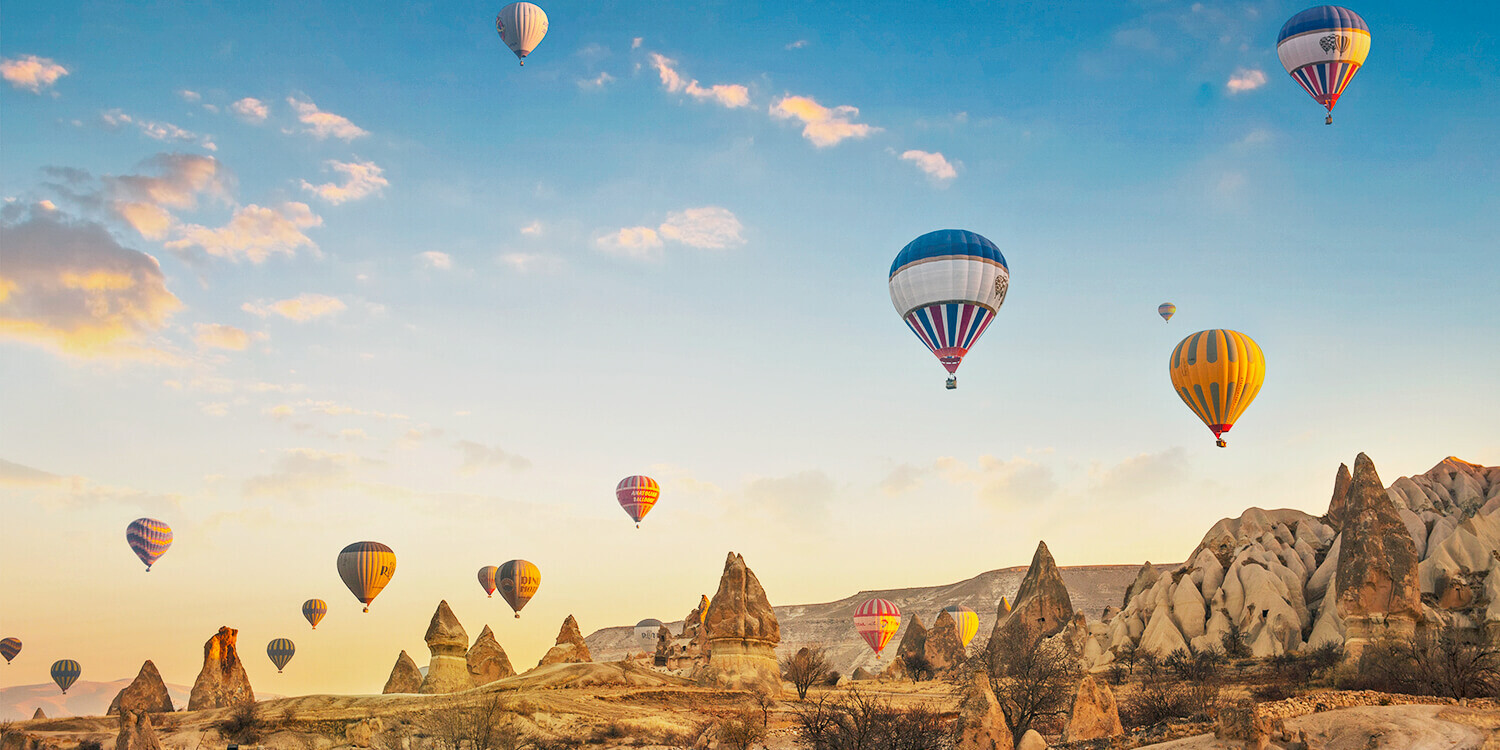
3 Day Travel in Cappadocia | Day by Day Itinerary
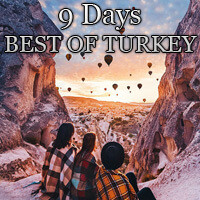
Cappadocia was a dream for me, with multicolored balloons in the colorful sky in the sunrise. Although my grandfather and grandmother are from Nevşehir, I grew up in the far away from the home for 25 years, by wondering as much as I am destitute of this beauty. I realized that there is no possibility […]
The Treasures of Gordion (Ankara) Turkey – Chapter 3
The Treasures of Gordion (Ankara) Turkey – Chapter 3, The first sight of the room astonished and delighted everyone. Inside lay a 2700-year-old treasure hoard. In a corner of the room was a wooden pallet resembling a carved bedstead. On top of it was a skeleton, that of King Midas. In fact, this Great Tumulus […]
The Treasures of Gordion (Ankara) Turkey – Chapter 2
The Treasures of Gordion (Ankara) Turkey – Chapter 2, In 1950 larger scale excavations conducted by Pennsylvania University and Ankara Archaeological Museum began, and after 14 years of continuous work it was established that the city of Gordion had been founded in the second half of the third millennium BC, that it had been inhabited […]
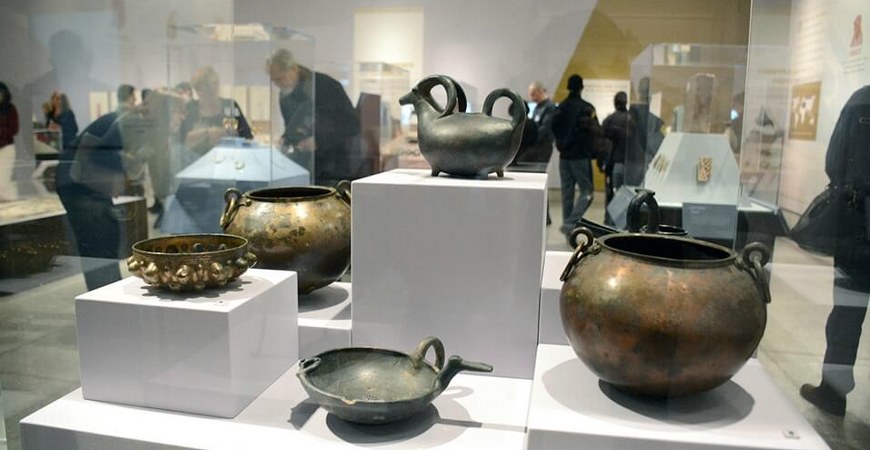
The Treasures of Gordion (Ankara) Turkey – Chapter 1
The Treasures of Gordion (Ankara) Turkey – Chapter 1, At the beginning of the ninth century before Christ, a powerful Phrygian state was established in Central Anatolia. The capital city of this state was Gordon, named after King Gordios. According to legend the Phrygian King died before producing an, they’re to take over his throne. […]
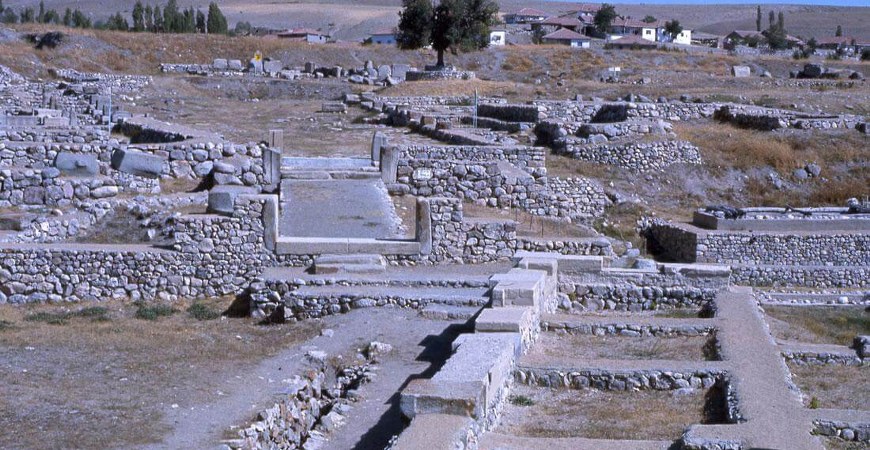
Alacahoyuk Treasures Hattusa Corum in Turkey – Chapter 3
Alacahoyuk Treasures Hattusa Corum in Turkey – Chapter 3, However illness prevented him from completing his journey to Alacahoyuk and in his place, he sent the Minister of Education Safvet Arikan, the Chairman of the Turkish Historical Association Semseddin Gunaltay, Professor Afet Inan and Professor Hikmet Bayur. This delegation returned to Ankara with the treasure […]
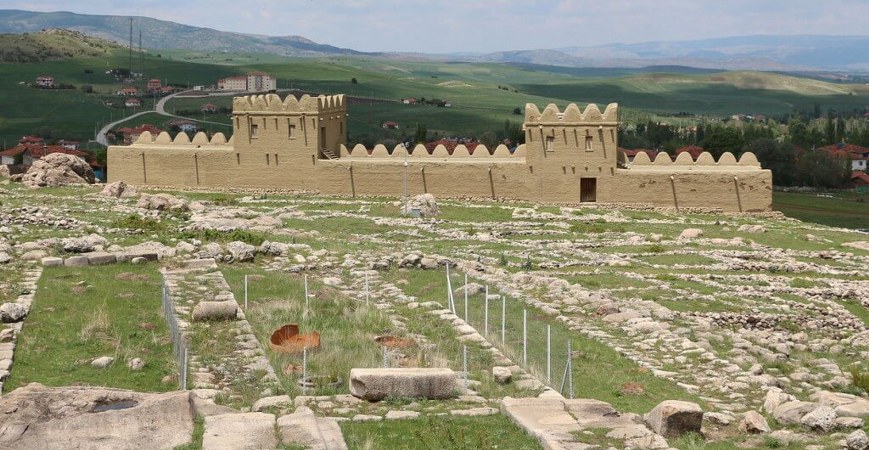
Alacahoyuk Treasures Hattusa in Corum – Chapter 2
Alacahoyuk Treasures Hattusa in Corum – Chapter 2, It was decided to excavate. Dr. Remzi Oguz Arik and Dr. Hamit Zubeyr, Kosay were appointed as heads of the excavation team, and the Turkish Historical Institute allocated funds of 1000 lira to finance the excavations. The excavation team pocketed the 1000 lira and on August 21, […]
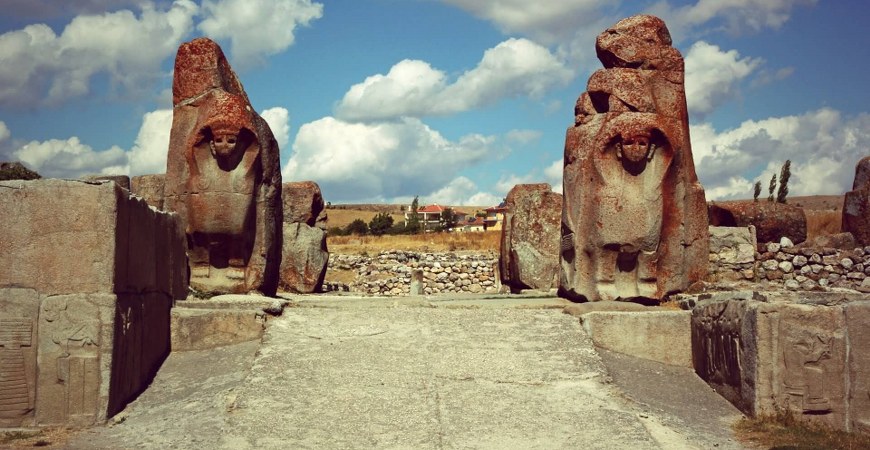
Alacahoyuk Treasures Hattusa – Chapter 1
Alacahoyuk Treasures Hattusa – Chapter 1, On May 6, 1933, this news was reported in the newspapers : “Yesterday morning His Excellency Gazi Mustafa Kemal, the Director of Public Instruction, the Governor of Ankara, the Public Director of Museums and a delegation visited the site of archaeological excavations at AhIatlibel in the village of Yalincak […]
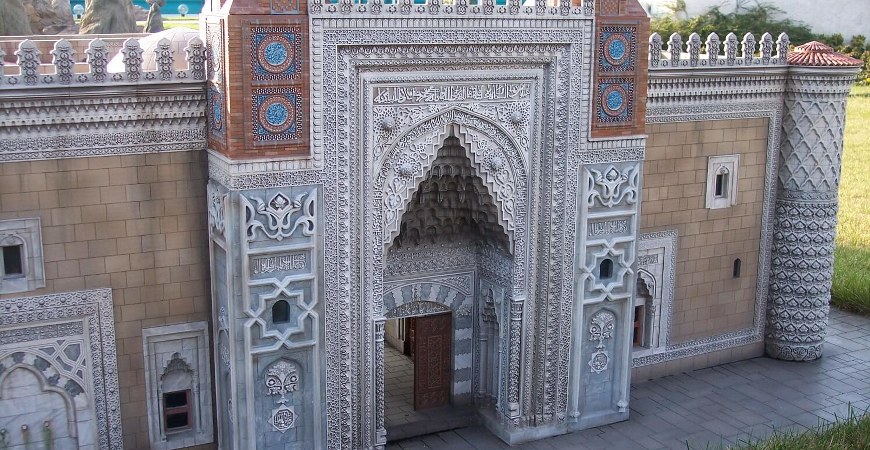
Sivas Museum of Antiquities and Sivas September 4 Ataturk Museum
Sivas September 4 Ataturk Museum and Sivas Museum of Antiquities, Sivas Museum of Antiquities Sivas Museum of Antiquities was opened in 1934 in the Gok Medrese Which was built in the Seljuk period. In 1967 when repairs to the Buruciye Medrese have completed the works were moved here and put on exhibit. Buruciye Medrese was […]
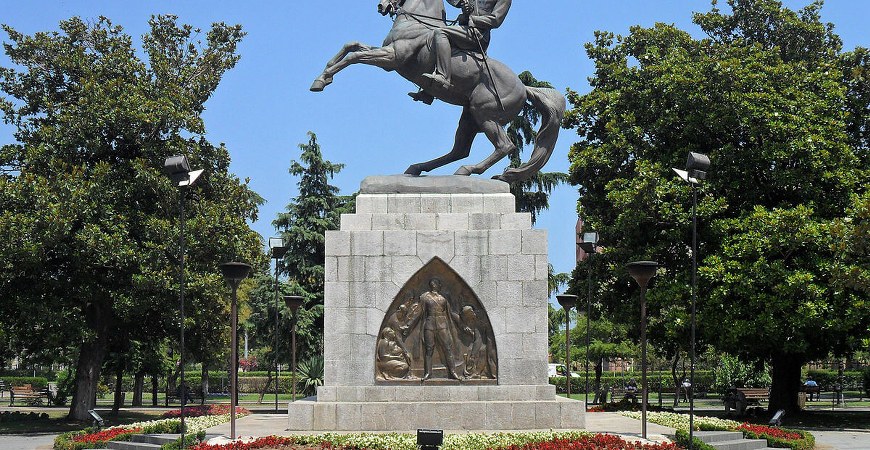
Samsun May 19 Museum and Samsun Ataturk Museum
Samsun Ataturk Museum and Samsun May 19 Museum, Samsun May 19 Museum On May 16, 1919, the Bandirma Steamer left Istanbul for Samsun carrying the Inspector of the Ninth Army Mustafa Kemal Pasha and his retinue. On Tuesday morning May 19, 1919, at 8.00 am the Bandirma Steamer sailed into Samsun harbor, where Mustafa Kemal […]